Manila: a unique Asian capital at the end of the world
Few people give Manila a chance, but this Manila travel guide might just change that.
This sprawling metropolis is often overlooked, dismissed as little more than a transit stop for travelers rushing off to other islands. And sure, the Philippines is a massive archipelago with thousands of islands to explore, each with its own charm. But for now, let’s set those aside and focus on Manila, or more precisely, Metro Manila.
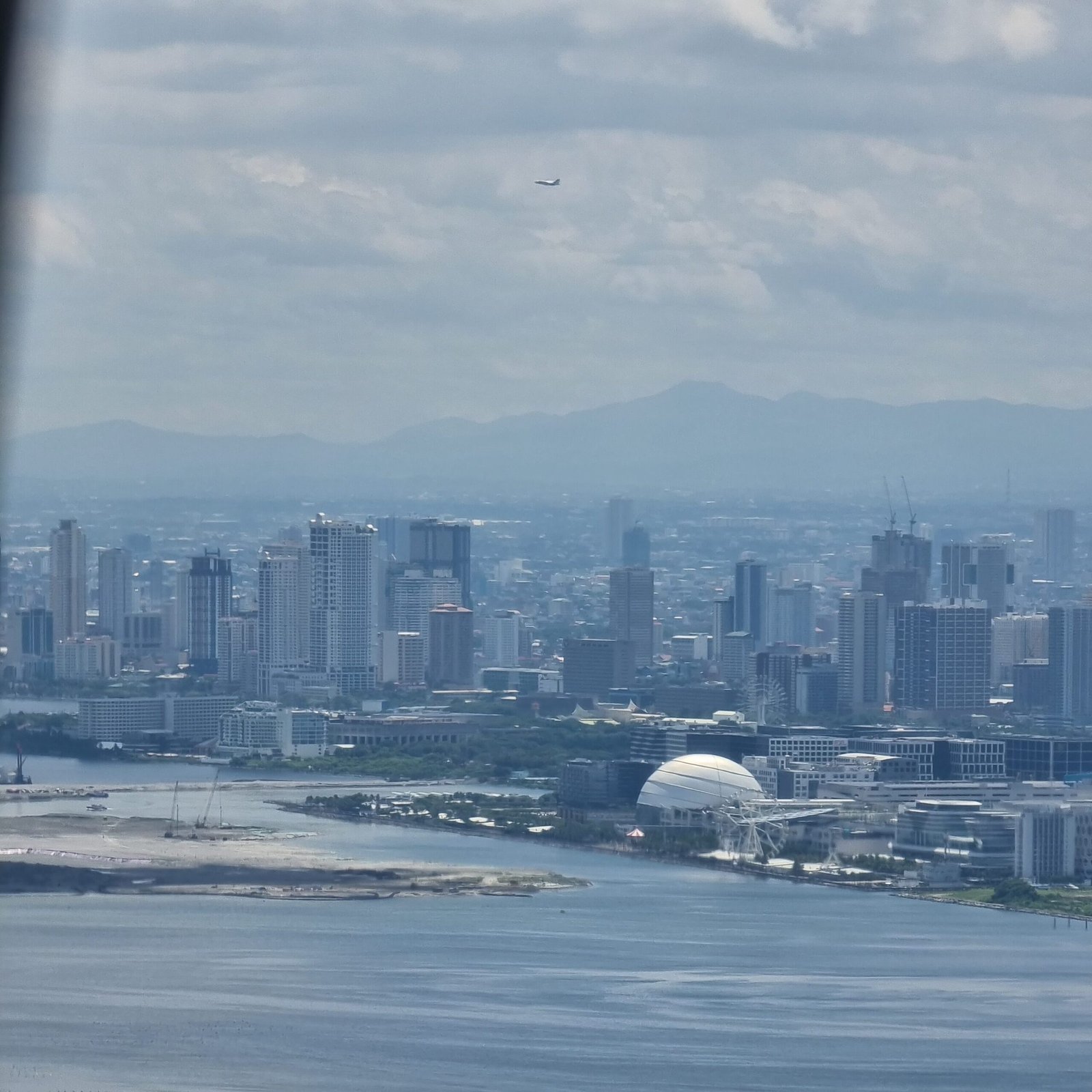
Metro Manila is a puzzle of 16 cities and one municipality that together make up the capital region. In this article, we’ll go beyond Manila City proper and explore some of its other districts too, but to keep things simple, I’ll refer to everything as “Manila.”
A bit of context first. The Philippines has a population of around 115 million, roughly 14 million of whom live in the capital region. Located in Southeast Asia, the country boasts one of the most unique cultures in the world. What makes it so unique? Over 300 years of Spanish colonial rule, followed by a brief but influential period of US ownership. Add a dash of Chinese influence, and you get today’s Philippines: a Catholic-majority, English-speaking country right in the heart of Asia.
You read that correctly – the Philippines is one of the countries with the highest English proficiency in Asia, which makes it very accessible to visitors. Other Asian countries have decent English levels too, but few compare to the Philippines, with the notable exception of Singapore.
Getting there
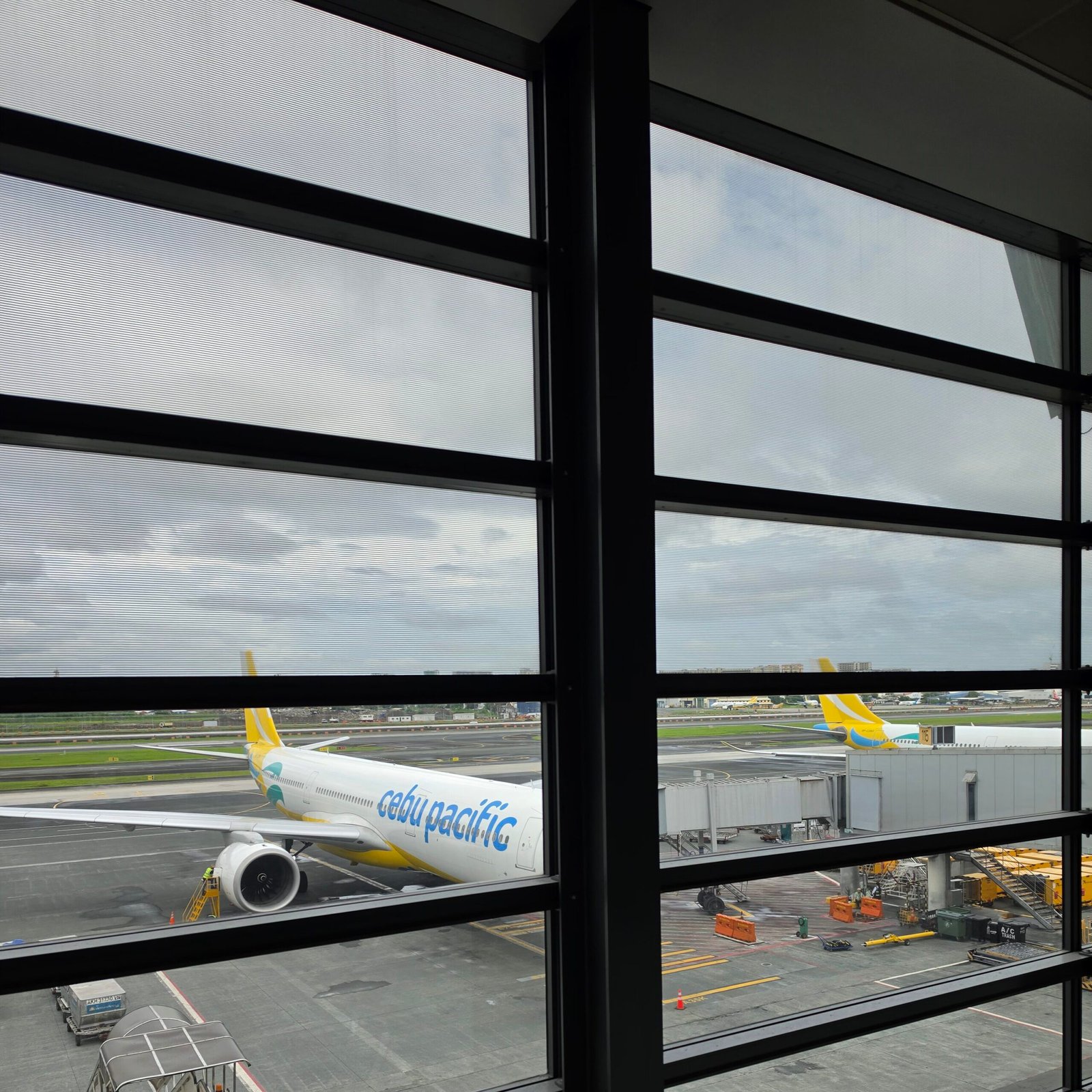
Manila’s main airport is Ninoy Aquino International, located just a short distance from central Manila. It connects to plenty of destinations across Asia and beyond. The airport itself is fairly convenient, though it’s not yet directly linked to the city by metro or tram (a line is currently under construction).
The easiest way to get from the airport to your accommodation is via Grab. Think of it as the local version of Uber – intuitive to use, and easy to set up with a foreign bank card like Visa or Mastercard. You don’t even need a local phone number to use it. There’s a designated pick-up area within the arrivals section of the airport, and it’s easy to find. Staff are on hand and happy to help if you need directions.
Where to stay in Manila?
The top pick for your accommodation should be Makati City. There are other areas worth considering around the region, but Makati stands out when it comes to convenience, safety, and public transportation. You’ll find plenty of malls, hotels, apartments, and everything else you might need, all within easy reach.
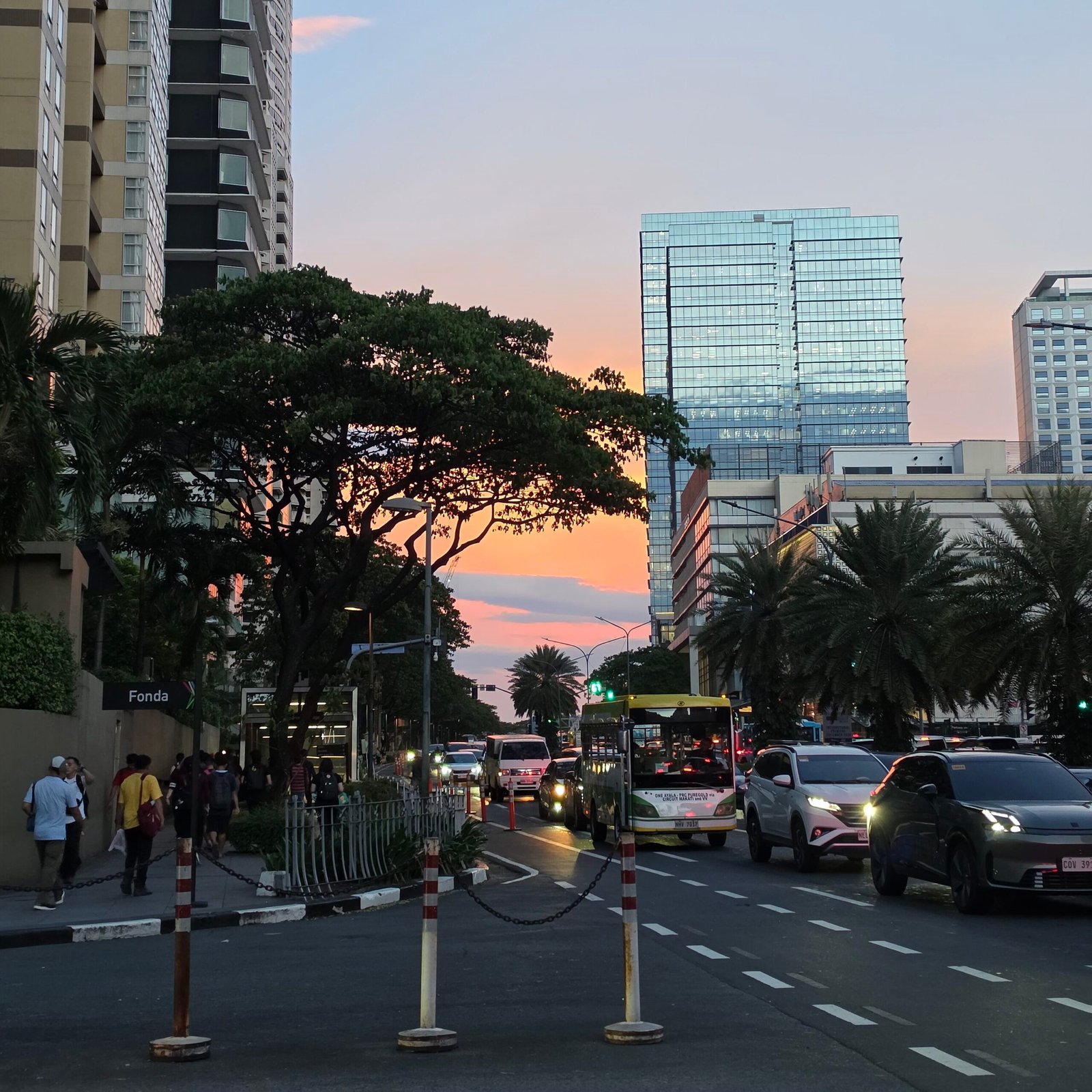
Makati is by far one of the nicest areas in the capital region. It’s the city’s business hub, where many companies have set up their offices, where locals do their everyday shopping, and where people head out for a night on the town.
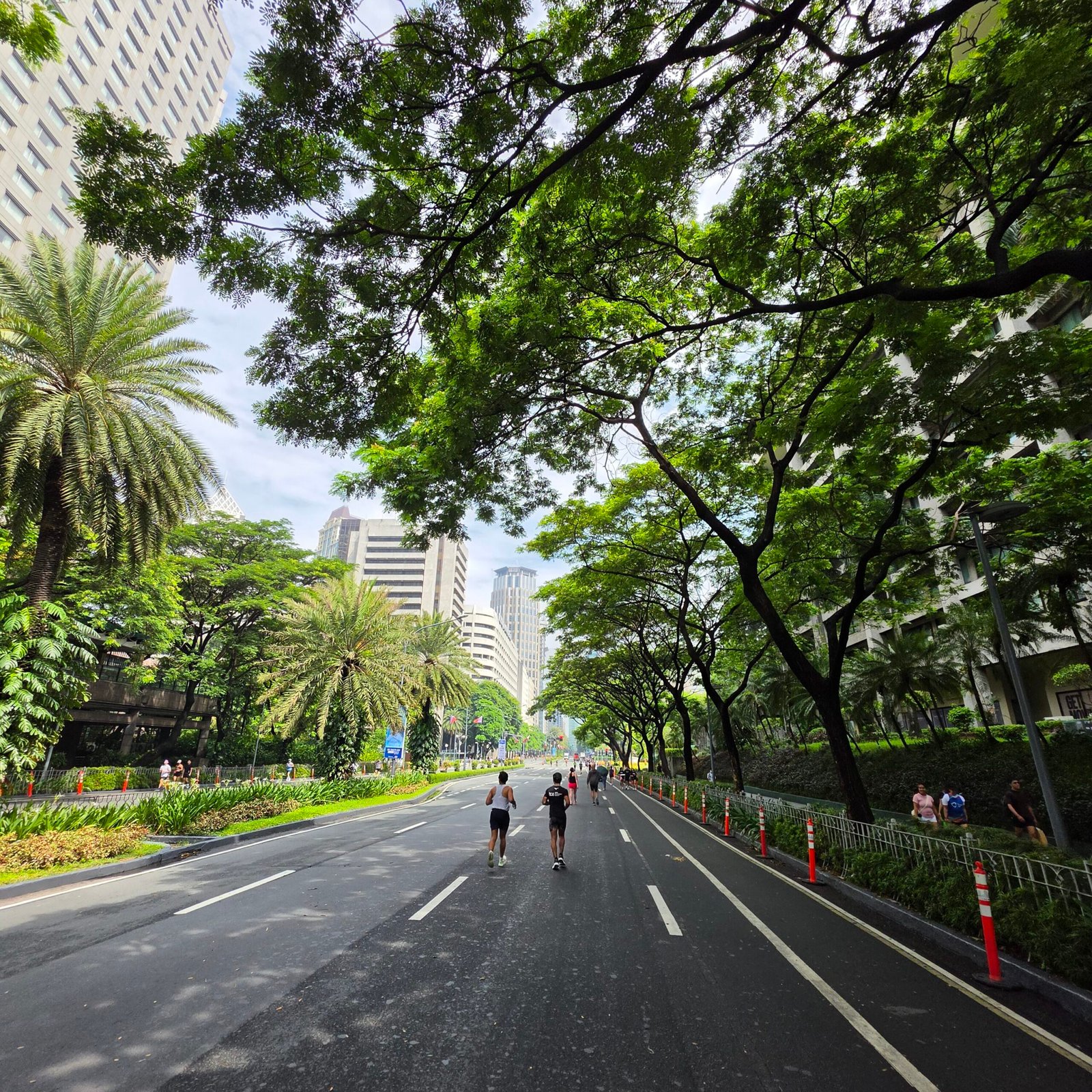
One of the best ways to feel like a local in Makati is to be there on a Sunday morning, when Ayala Boulevard closes to traffic and opens up to hundreds of Filipinos out for their morning run. It’s a lively, feel-good scene, and one you’ll definitely want to add to your list.
Intramuros
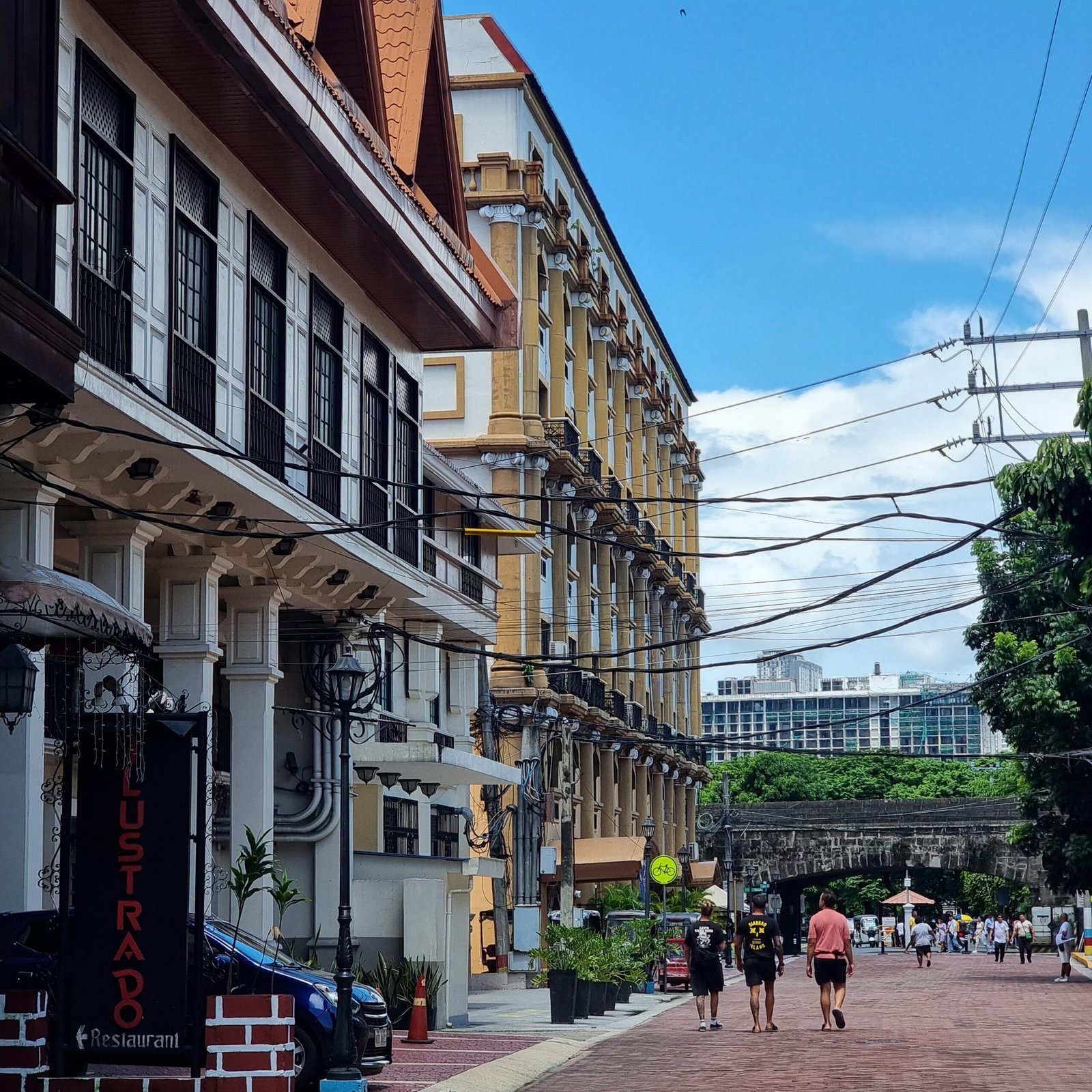
The name might already sound familiar if you have some notion of Spanish. It simply translates to “inside the walls,” and it stands as one of the most captivating areas to visit in Manila. Step through its gates, and you’ll feel as though you’ve left Asia behind entirely, transported instead to a quiet corner of Latin America. Cobblestone streets, colonial-style buildings, and centuries-old churches line the way, each one whispering stories of a bygone era.
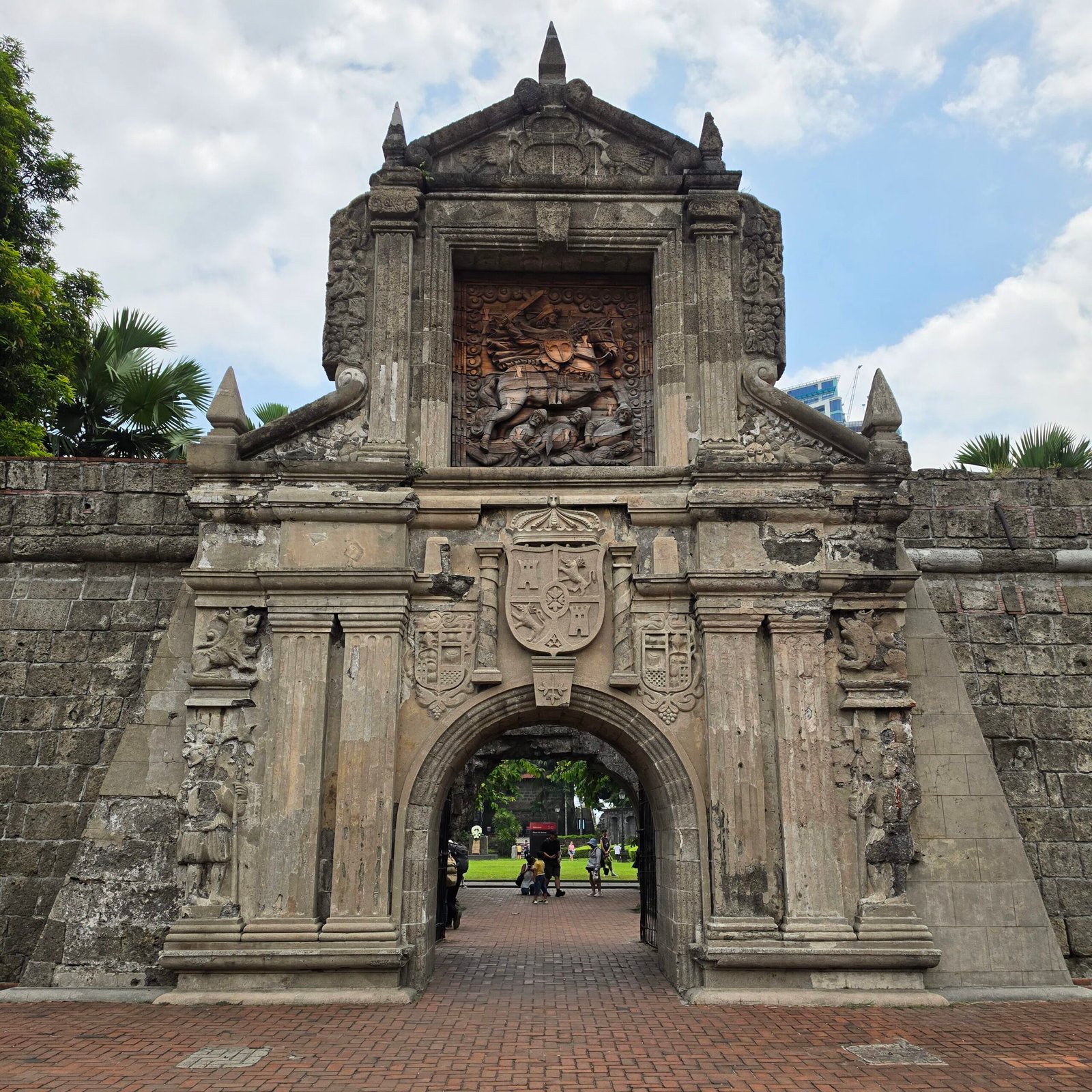
Fort Santiago is a stone citadel well worth exploring, and getting in couldn’t be simpler — there’s no need to book tickets in advance, as you can purchase them easily on the spot. Inside, you’ll have the chance to walk through the layers of the city’s history, from its earliest days to some of its darkest and most sobering chapters. The atmosphere here is heavy, almost solemn, a place that invites quiet reflection rather than casual sightseeing. Personally, I love uncovering historical facts wherever I travel, and Fort Santiago is an ideal place to do exactly that.
National Museum of Fine Arts
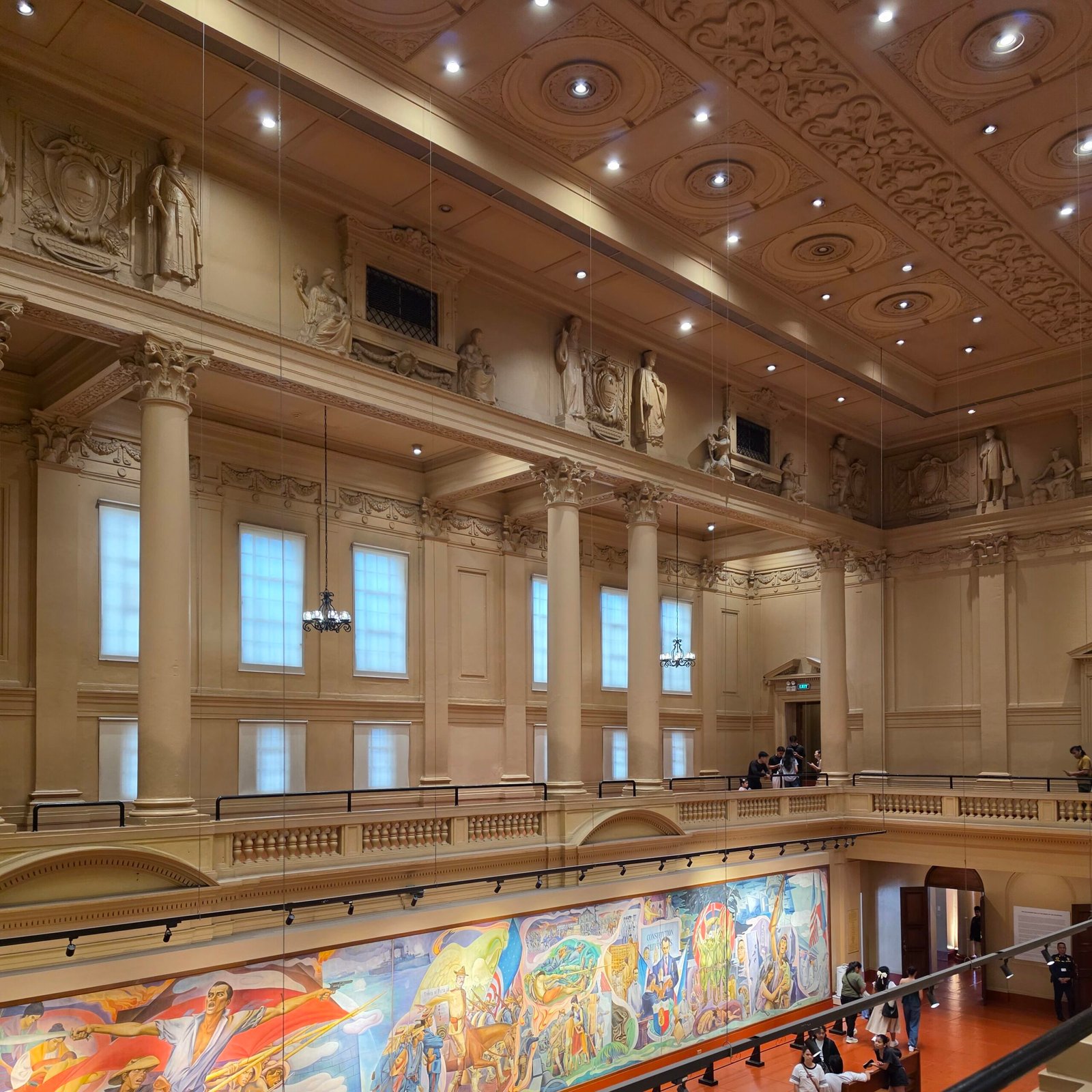
Manila is home to a good number of museums, but visiting the National Museum of Fine Arts is an absolute must if you want to learn more about local art. Entry is free, and there’s no need for a reservation in advance, making it an easy stop to add to your itinerary. The museum’s building is a stunning piece of architecture in its own right, standing proudly in the heart of the city center. It’s been through a great deal over the years, but thanks to extensive restoration efforts, it has survived and now stands open to the public, ready to share its history along with the art inside.
Binondo – oldest Chinatown in the world
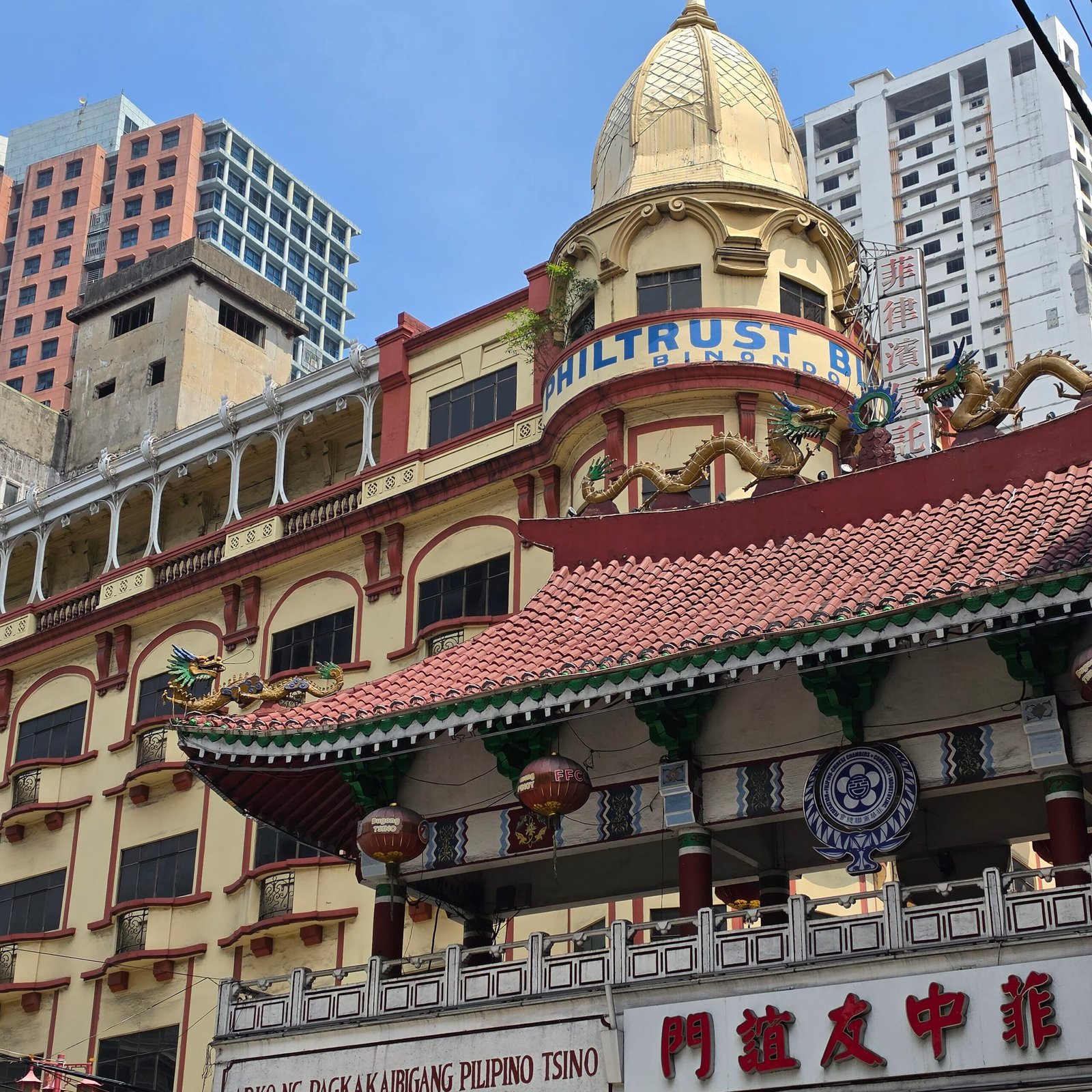
Chinatowns are a staple of Chinese migration stories across the world, and as it turns out, Manila is home to the oldest one on record, and it’s located right in the heart of the city. Binondo was established back in the late 16th century, making it not just a historic neighborhood but a living piece of the city’s identity that has survived and evolved for centuries.
The neighborhood is packed with historic buildings, bustling food markets, and shopping venues, offering a completely different atmosphere from the rest of Manila. Wander through its narrow streets and you’ll find yourself surrounded by the smell of freshly steamed dumplings and roasted meats, with vendors calling out and locals haggling over produce at every corner. Ornate temples sit alongside old shophouses, a reminder of just how deeply this community has woven itself into the fabric of the city.
If you want to dive deeper into its history, there are guided tours running almost every single day, often led by locals who know the neighborhood’s stories inside and out. I didn’t manage to fit one in during my stay, but it’s definitely on my list for next time, along with sitting down for a proper meal at one of the countless food stalls I had to walk past.
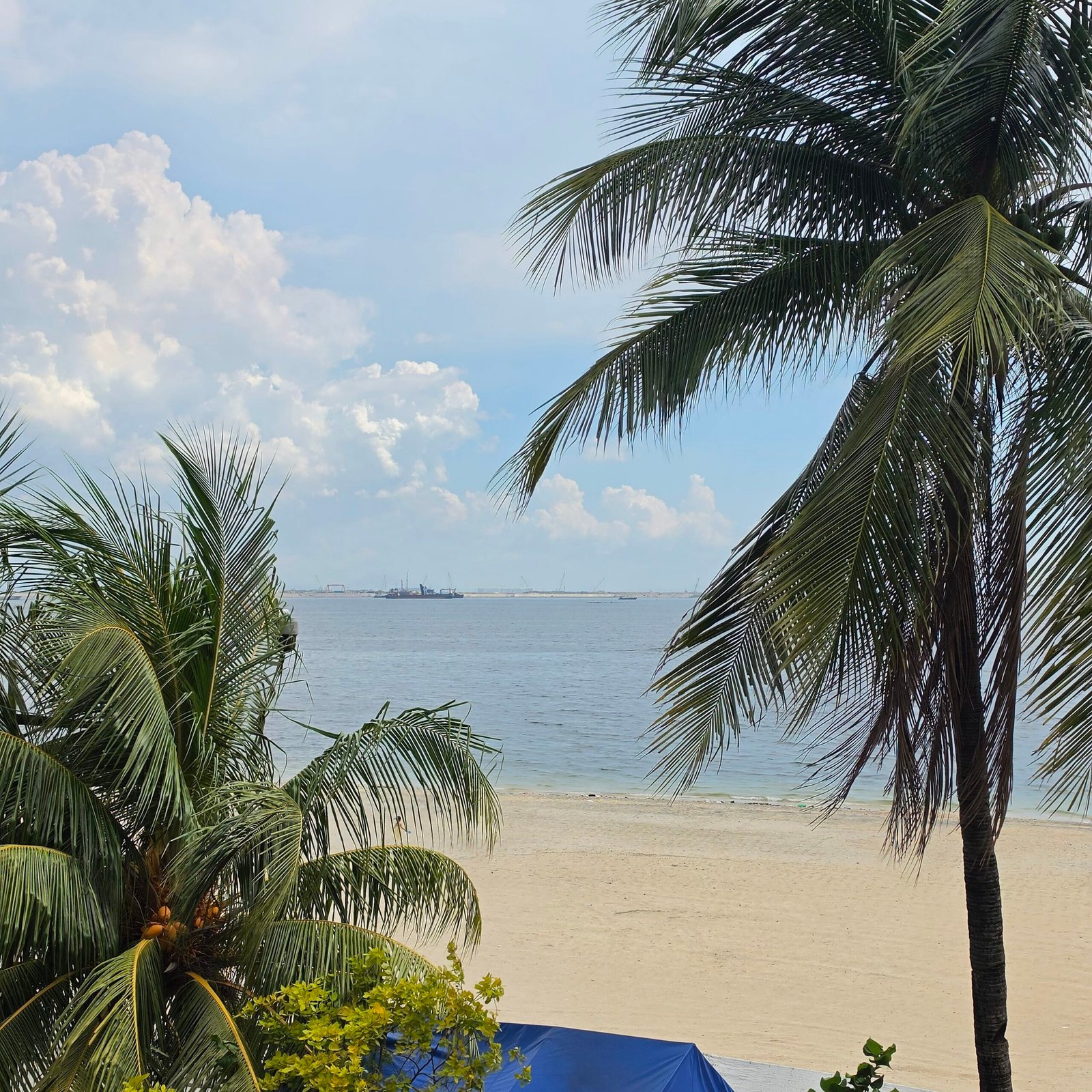
A beach behind a fence
It isn’t hidden at all — it’s actually right in the city center, in plain sight for anyone who cares to look. What makes it strange is that hardly anyone talks about it, and here I mean the locals themselves. Ask around, and you’ll get shrugs more often than recommendations. This place deserves more love, especially given the privilege of living in a coastal city with the bay right on your doorstep.
Very few people actually linger here, which, in a way, works in your favor — more space for you to enjoy the view. And what a view it is: the sunsets along Manila Bay are stunning, painting the sky in shades of orange and pink as the sun dips behind the water. Worth noting: swimming here is still officially prohibited, and the beach itself is fenced off and only open during set hours, so this is a spot for a sunset stroll along the baywalk rather than a dip. Still, with continued investment in the area, it’s easy to imagine it becoming a much bigger draw in the years ahead.
Transportation
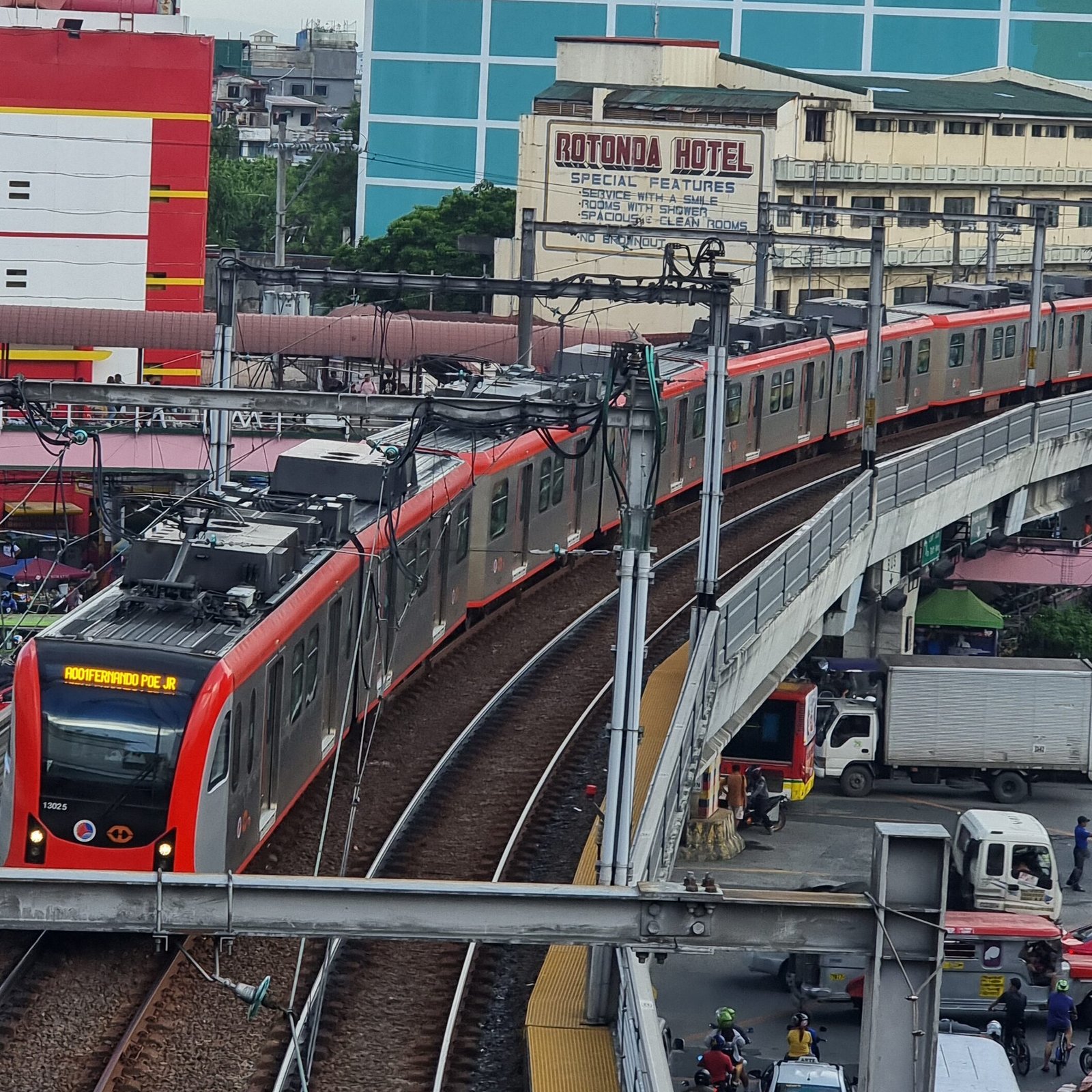
Manila has an extensive public transport network, yet as a tourist, it’s not always the most intuitive or easy to navigate. The best way to get around the city is either by Grab or the MRT/LRT system.
The MRT and LRT function essentially as the city’s metro system. The trains are clean, punctual, and connect many of the city’s most important areas, making them a reliable option for getting around. Buying a ticket is fairly straightforward too, with staff at the stations on hand if you need a bit of guidance.
Buses also exist, but you might want a local’s help before hopping on one. Unlike in many other places around the world, these buses usually display their destination rather than a route number, which can make things a little confusing if you’re not used to the system.
Food
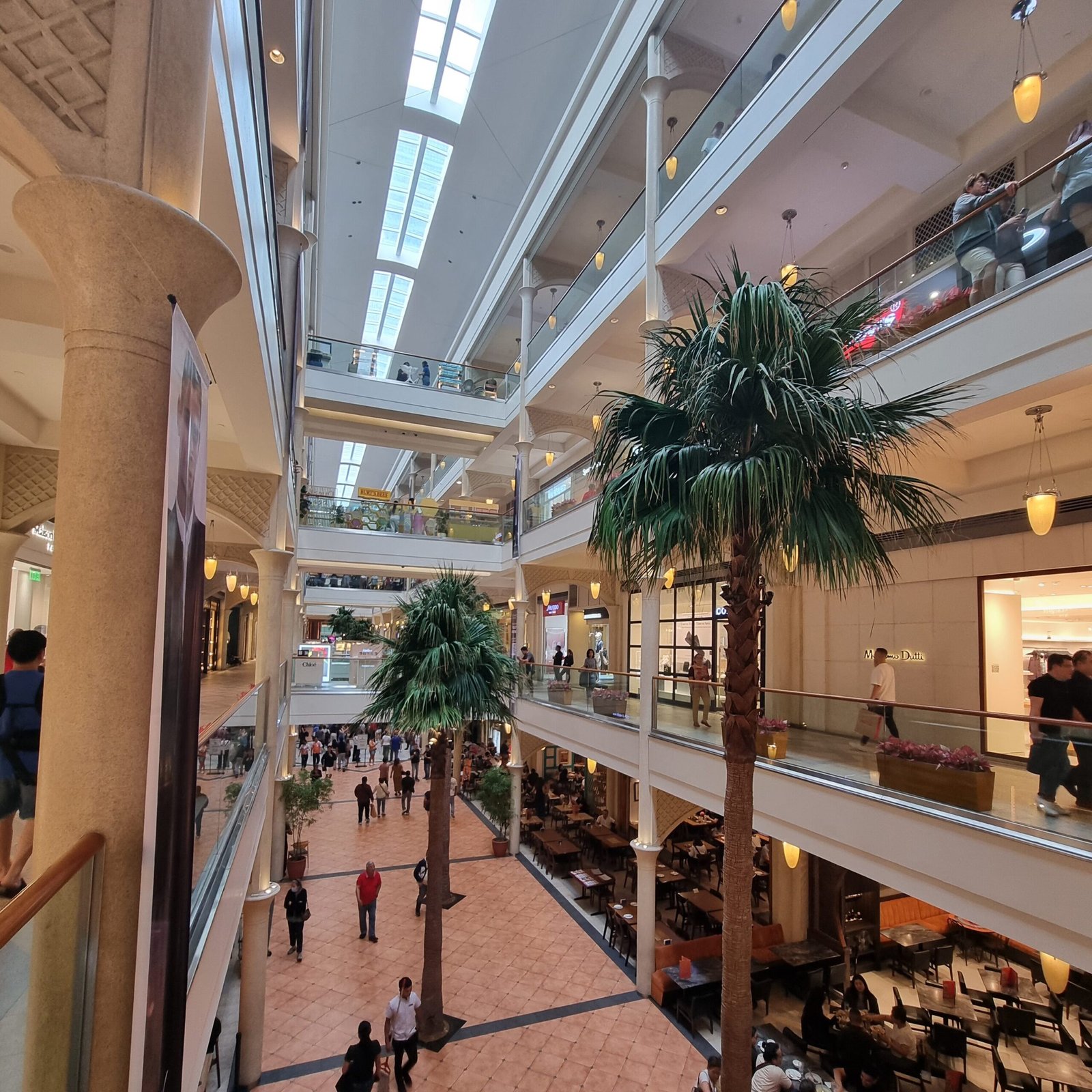
This next spot might not fit the typical blog vision perfectly. Sure, it’s where many locals go, but it’s not exactly your typical street food scene. That said, imagine you’ve been walking outside for a while in the heat, with temperatures exceeding 40°C (or 104°F). There’s no better shelter than a mall, and Manila certainly doesn’t lack those. Every mall in the city comes with a vast food court packed with dozens of restaurants to choose from.
Some of the food is classic Filipino cuisine, while other stalls serve up American, Chinese, Japanese, and more. Because the Philippines sits at the crossroads of so many cultures, the local cuisine is incredibly diverse, and there’s simply no way you won’t find something you like. Malls are the perfect place to experience that variety, and as a bonus, you’ll be sitting in a nicely air-conditioned space while you do it.
Closing remarks
Manila probably isn’t the first place that comes to mind when people think of the Philippines, and I understand why. If your dream trip revolves around white-sand beaches and complete relaxation, there are countless other destinations across the country that are better suited to that.
However, if you enjoy exploring cities with character, navigating lively streets, and discovering the stories that have shaped a place over the centuries, then Manila is a destination that deserves a chance.
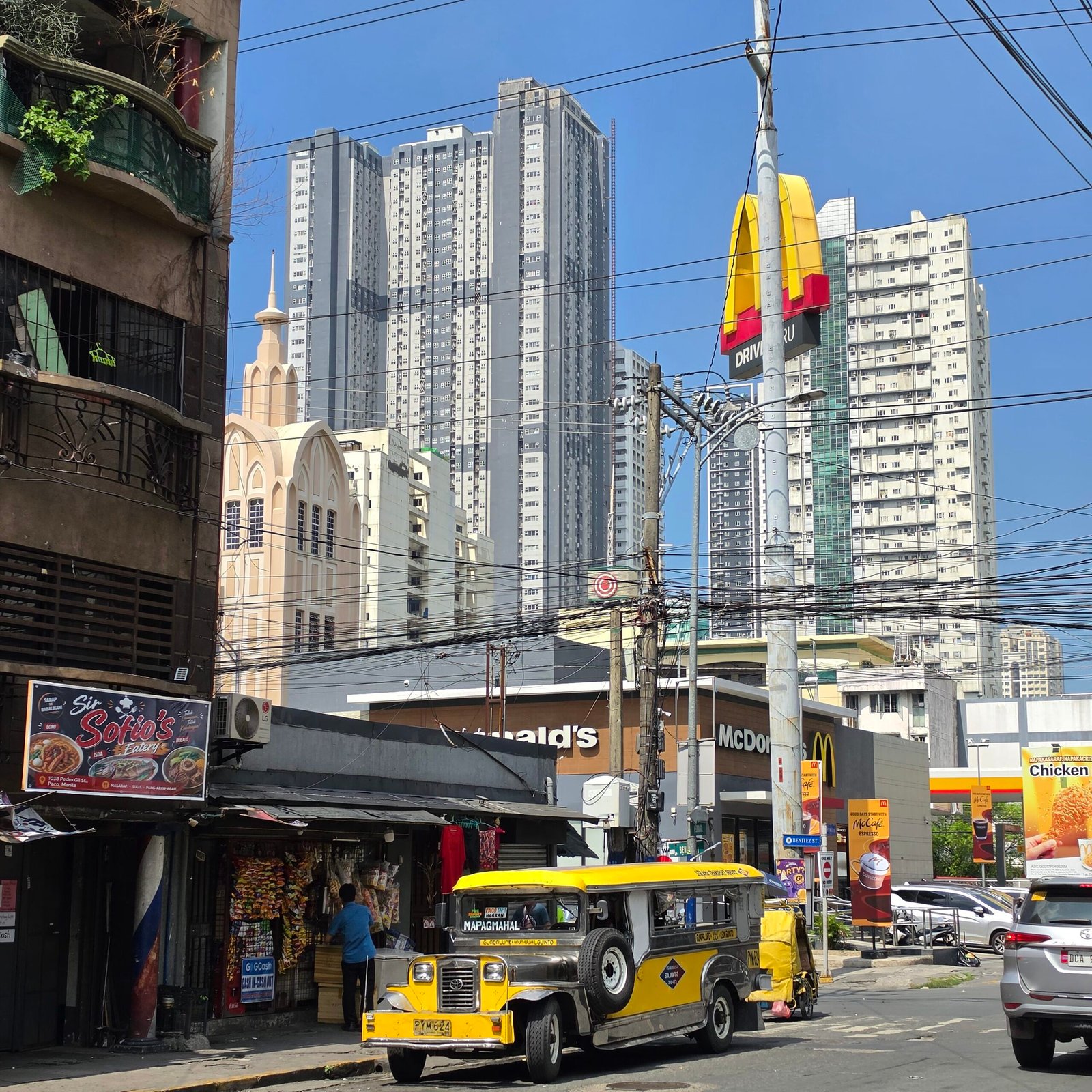
It’s loud, somewhat chaotic, but also diverse, unique, and endlessly exciting. And there’s one thing that truly deserves a mention here — the people. No other country in the world can call itself as welcoming as the Philippines. Wherever you go, you’ll be greeted warmly, people will make you feel right at home, and you’ll find yourself smiling more than you expected. This is true Filipino culture, and the city showcases it in every corner you turn.
Manila is a city changing rapidly – sooner or later, millions more tourists will discover it, which makes now a pretty good moment to visit. Chances are, you’ll be the only one in your friend group who’s been, and honestly, that might just make you cool.