Porto: The Portuguese city with steep hills and stunning views.
Many of you have surely heard of Porto — or at least of Porto wine. Portugal’s second largest city is a strong competitor to Lisbon, and opinions are truly divided: many travellers actually rank Porto as the best city to visit in the country. But we’re not here to settle that debate today. I’ll let you be the judge of that once you’ve visited both!
Few European cities carry their history as visibly as Porto. Perched above the Douro River in northwestern Portugal, this city has been a crossroads of civilisations for over two millennia. The Romans called it Portus Cale — a name so enduring that it eventually gave an entire nation its identity. Yes, Portugal owes its very name to this rugged, salt-kissed city on the Atlantic edge.
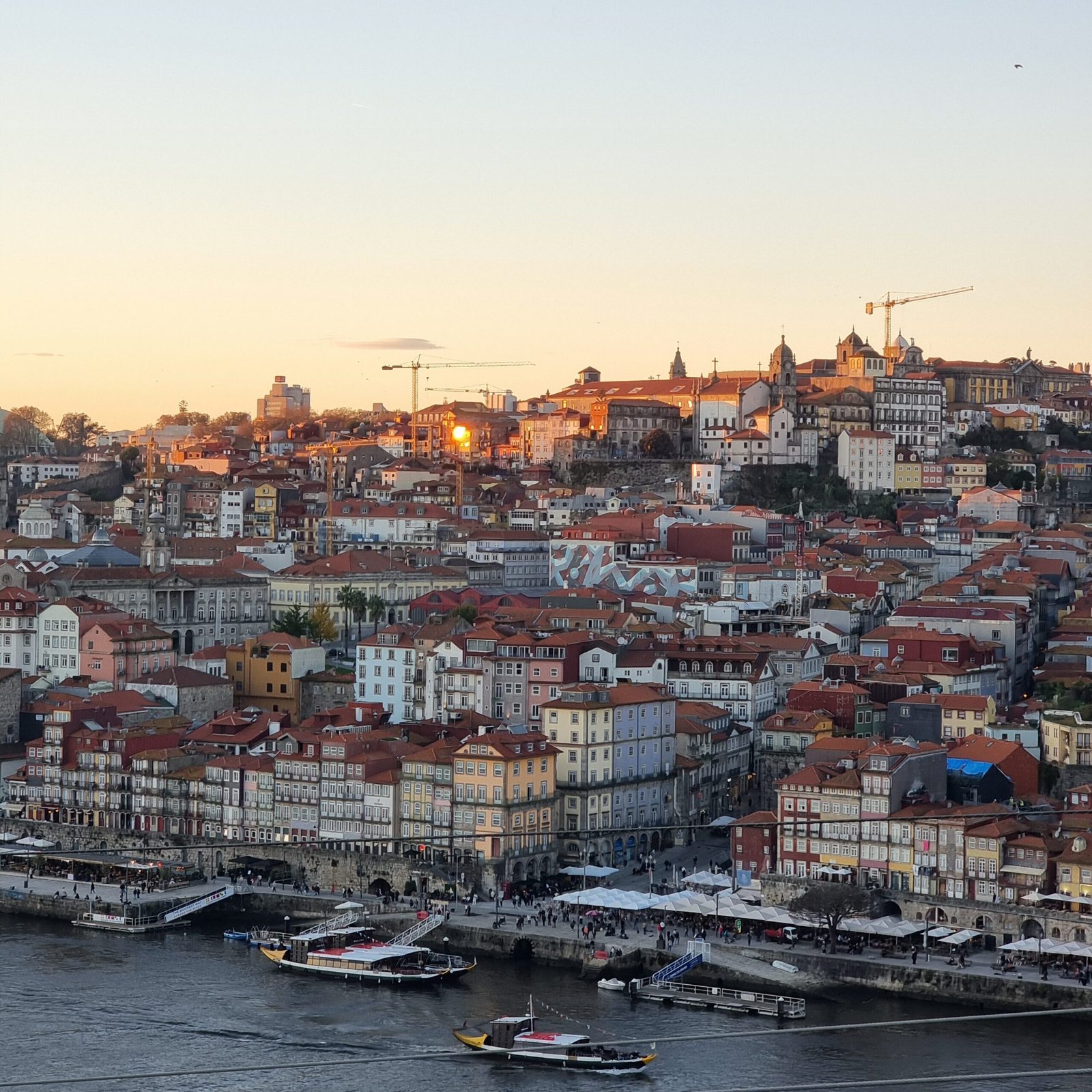
Through the Middle Ages, Porto grew into one of Europe’s most ambitious maritime hubs. Its merchants funded explorers and its shipyards launched fleets, earning locals the proud nickname Tripeiros — “tripe eaters” — a nod to those who gave their best meat to departing sailors and survived on scraps themselves. That spirit of resilience runs deep in the city’s DNA.
By the 18th century, Porto had become synonymous with one of the world’s great exports — Porto wine. British merchants settled along the riverbanks, carving out a trade that transformed the region and left behind a stunning legacy of Baroque architecture, ornate azulejo tile facades, and grand wine lodges that still draw visitors today.
Now that you’ve learnt a bit about the city’s history, let’s get to the good part — what to do there and how to live like a local in Porto (or at least give it a good try!)
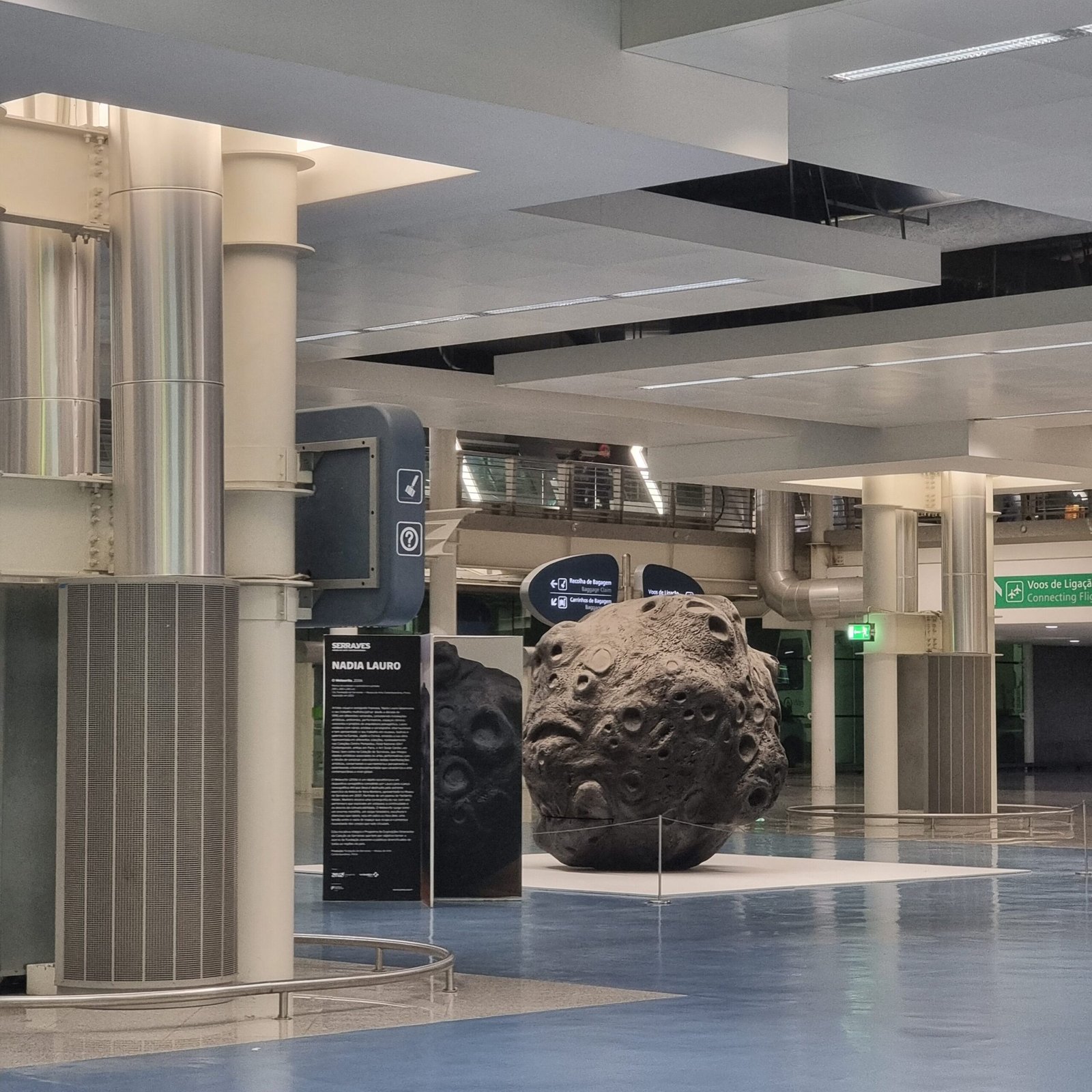
Porto is fairly well connected to most European countries through its international airport, served by plenty of low-cost airlines, which makes getting there really easy and affordable. The airport itself is mid-sized and very easy to navigate — no stressful terminal hunts here! Best of all, it is directly linked to the city center by the light rail network, specifically Porto Metro Line E. You can purchase your ticket right from the platform, which is conveniently located just steps away from the Arrivals area. Line E will take you straight into the heart of the city, with plenty of stops along the way, so reaching your accommodation should be a breeze.
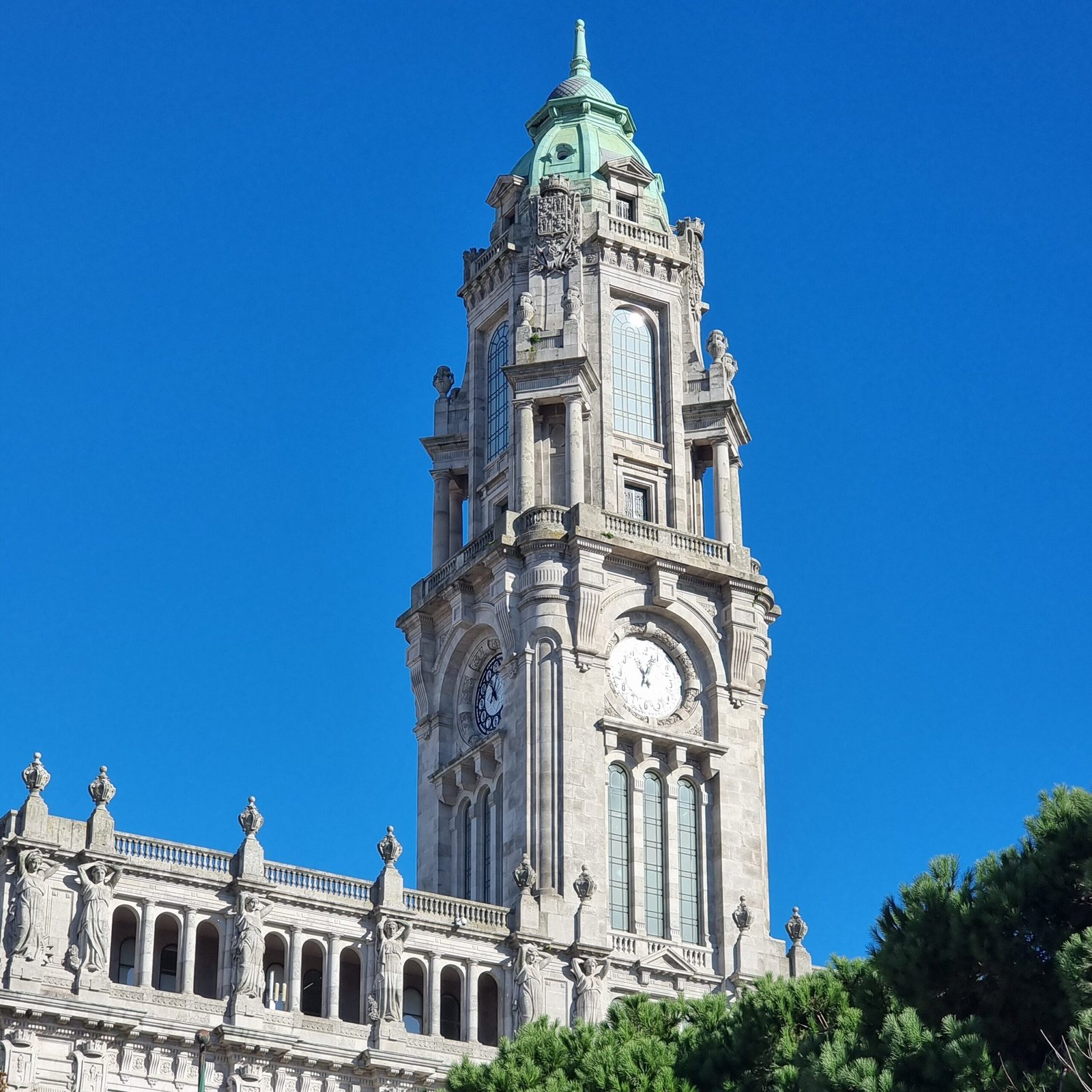
We’ll start our exploration at Aliados station, which sits right at the heart of the famous Avenue of the same name. To me, this is one of the most stunning areas in all of Porto — and I think you’ll agree the moment you step out and look around. The avenue is lined with some of the finest examples of Portuguese Belle Époque architecture, giving it an almost grand, theatrical feel. At the top of it all stands the City Hall, one of the most impressive buildings in the city and an absolute must for any photography lover.
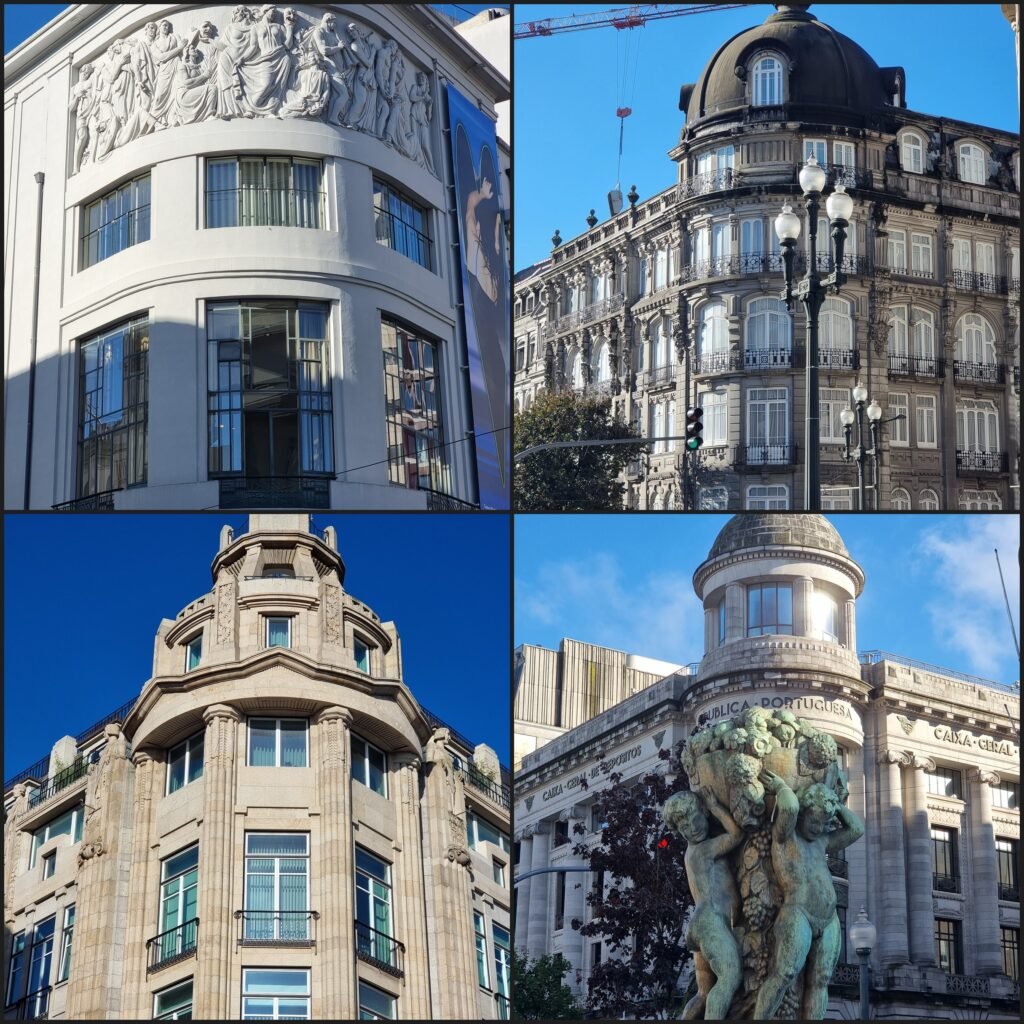
If you are passionate about architecture, then you are absolutely in the right place. Porto must be one of the most aesthetically pleasing cities I have ever visited — a place where multiple layers of history coexist beautifully, and where stunning historical buildings seem to appear around every corner. It truly feels like an open-air museum. I’ll leave some of the finest examples I came across during my trip below, but honestly, the best way to experience it is simply to wander and let the city surprise you. Explore as much as you can — you won’t be disappointed!
All that exploring will eventually work up an appetite — there is absolutely no question about that. Luckily, you are in Portugal, and eating well is never an issue here. Southern Europe is, in general, a fantastic destination for foodies, and Portugal is no exception. What many people don’t realise, however, is that Portuguese cuisine is actually quite different from Spanish food — a reflection of Portugal’s own rich and unique cultural identity. There are similarities between the two countries, of course — but those are mostly limited to a certain chain called McDonald’s. You may have heard of it.
Yes, McDonald’s. Please don’t stop reading just yet — I promise this one is like no other and it will genuinely make your jaw drop. Located right in the city centre, it is one of those spots you simply cannot miss, regardless of whether you are a regular fast food fan or not. From what I could see, not many locals seem to bother — but as a visitor, stepping inside is an experience in itself. The stunning Art Deco interior, the grand chandeliers, and the beautiful stained glass are not on the menu — meaning you can soak all of that in completely for free while grabbing a quick bite. Where else can you say that?
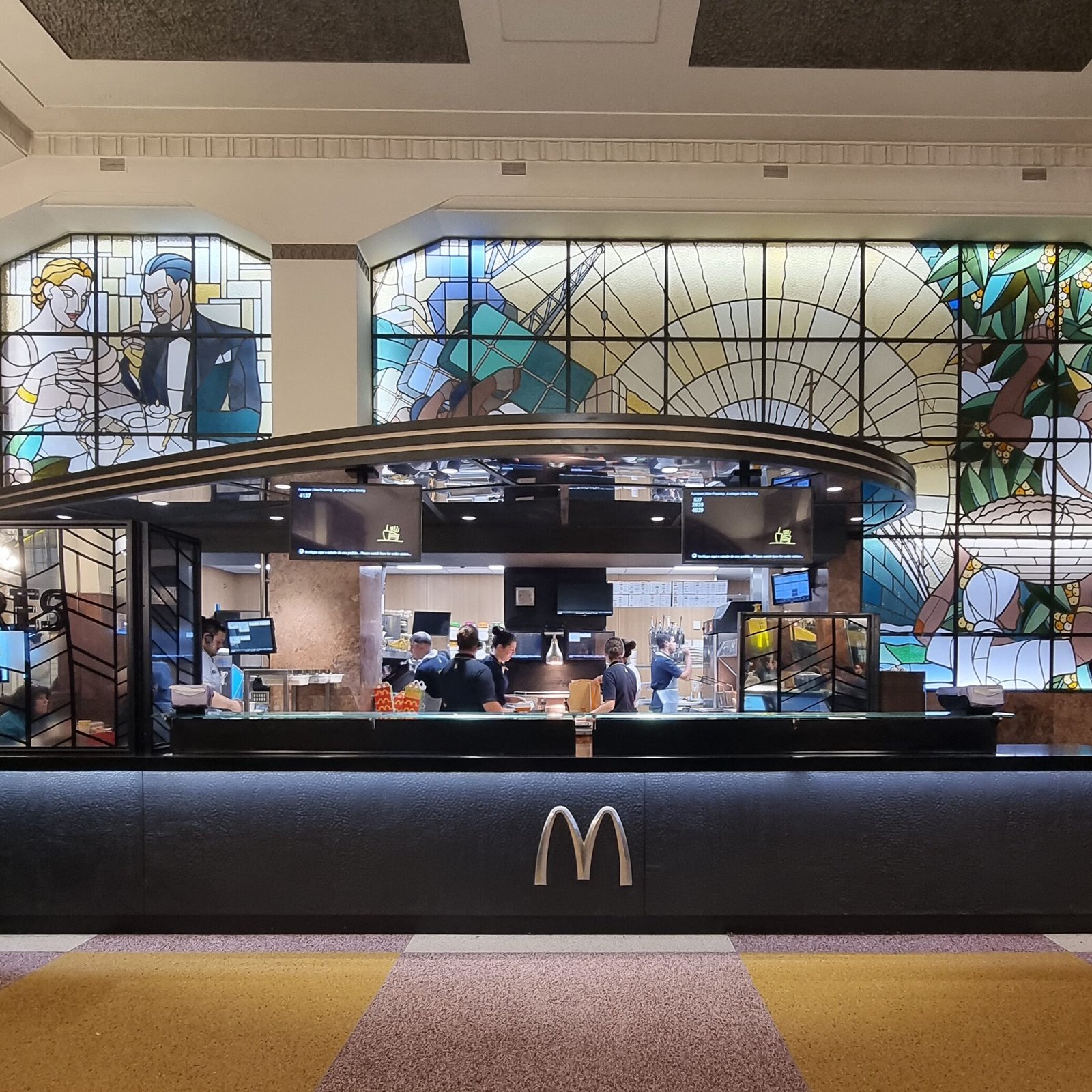
Let’s assume you’ve refuelled, got your energy levels back up, and are ready for the next stop. Porto has so much to offer that it would be impossible to capture it all in a single article — but I will do my best to pack in as many suggestions as possible while helping you experience the city like a true local. On that note, we will be skipping Livraria Lello — and no, that is not a typo. Of course you don’t have to follow my lead, but be prepared for a long queue and a somewhat overwhelming crowd if you do decide to go. It is, without a doubt, one of the most beautiful bookstores in the world — I won’t deny that — but sometimes the experience doesn’t quite live up to the wait.
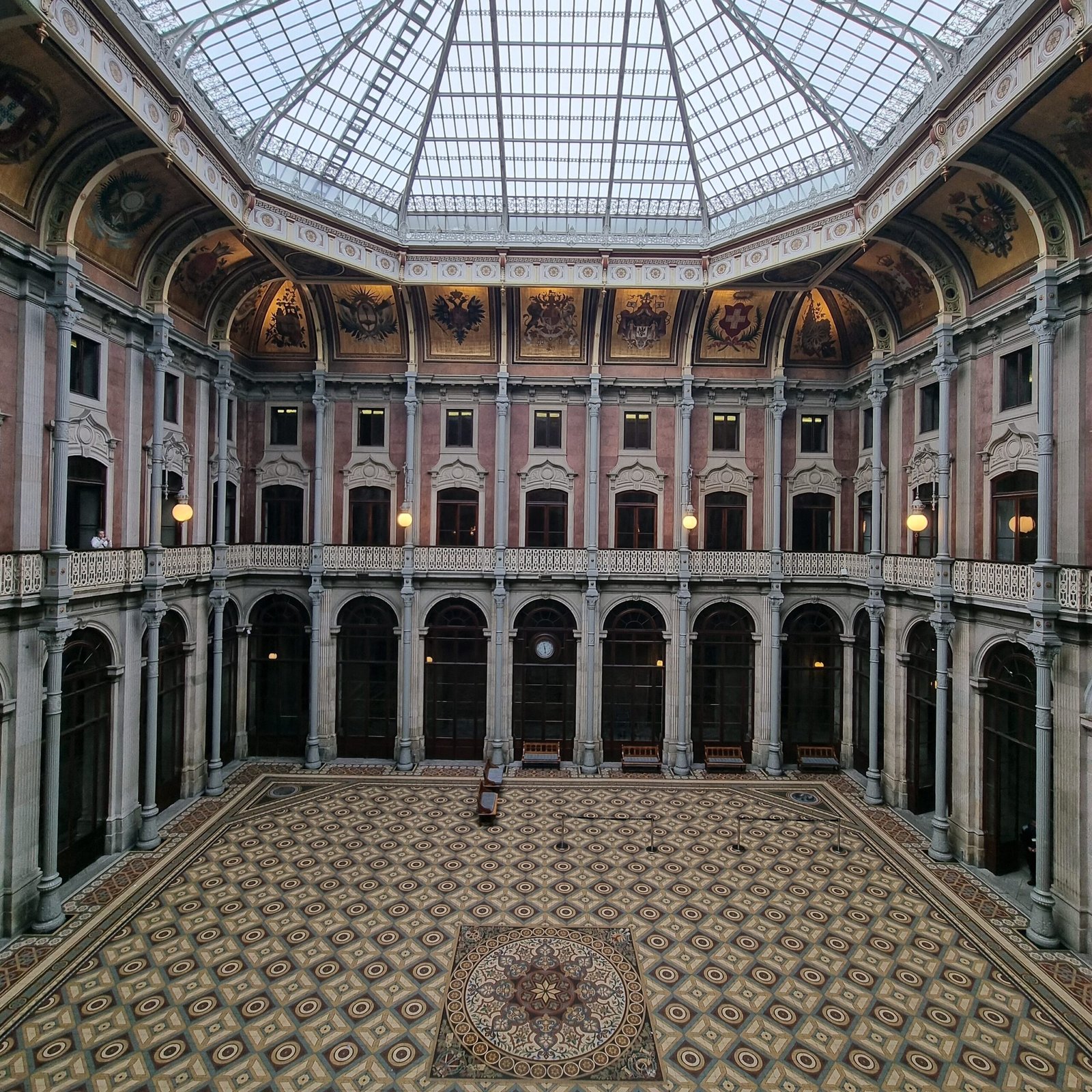
I do, however, have a much better suggestion for your trip — a hidden gem in the form of a palace. It may not be where locals typically spend their afternoons, but far fewer tourists make it there, which already makes it worth considering.
Palácio da Bolsa (Stock Exchange Palace) is one of Porto’s most magnificent 19th-century landmarks, built between 1842 and 1910 by the city’s Commercial Association. Sitting in the heart of the Ribeira district, its neoclassical façade gives little warning of the splendour waiting inside. The undisputed highlight is the Arab Room (Salão Árabe) — a breathtaking hall inspired by the Alhambra in Granada, its walls covered floor to ceiling in intricate gold and silver stucco arabesques. Originally used to receive heads of state and foreign dignitaries, the palace still functions as a working trade association today, making it a rare blend of living history and architectural wonder.
You can purchase ticket right at entrance which includes a guided tour in English. The guide will share a lot more details about the palace – you will not regret going there.
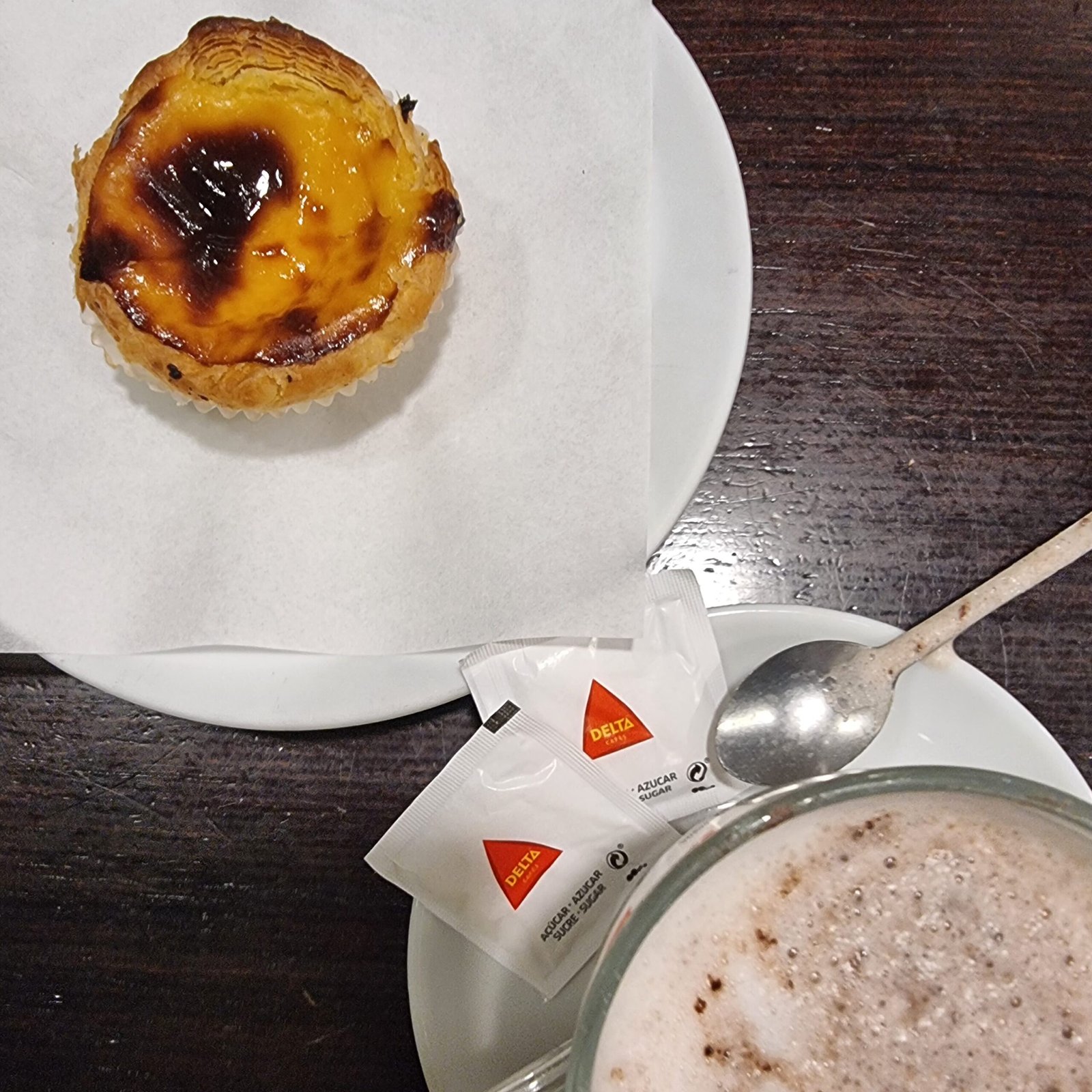
It’s now time for a snack — you might think you don’t need one, but trust me, all that walking up and down Porto’s famously hilly streets will have you craving something in no time. Or maybe that’s just my sweet tooth talking — who knows! You will notice pastry shops scattered all across the city, so many in fact that you would be hard pressed to walk more than five minutes without stumbling upon one. Portugal is, of course, famous for its pastel de nata — arguably one of the most dangerous pastries you will ever encounter. Dangerously addictive, that is. I have completely lost count of how many I had during my stay, and I have absolutely no regrets about it. Beyond the iconic nata, there is plenty more to explore for those looking for variety, and you will often spot locals enjoying these little treats at any hour of the day — which is always a good sign.
One thing I distinctly remember about Porto is just how tired I got from walking — and not just from the distance. The step count on your phone at the end of the day will be misleading, because what it won’t show you is the sheer amount of uphill and downhill involved. My honest advice? Train yourself a little before you go and, above all, wear the most comfortable shoes you own — this will make an enormous difference. There will be moments where your legs feel like they are about to give up on you, but just look around and remind yourself that the views make every single step worth it.
I should mention here that I have a tendency to explore every side street and hidden corner between attractions, often skipping public transport entirely — so take my exhaustion with a pinch of salt! Make sure you make better use of Porto Metro than I did. It covers almost everywhere across the city and, most importantly, spares you from climbing those relentless hills — which will save you a surprising amount of energy for the things that actually matter.
This is by far my favourite spot in all of Porto — the sunset here is simply unmatched, and the atmosphere is something truly special. As the evening rolls in, locals and tourists alike gather there in their numbers, giving the whole place an almost festival-like vibe. Whether you are there with a partner, a group of friends, or the fellow solo travelers you met earlier that day, it is the kind of place that just brings people together.
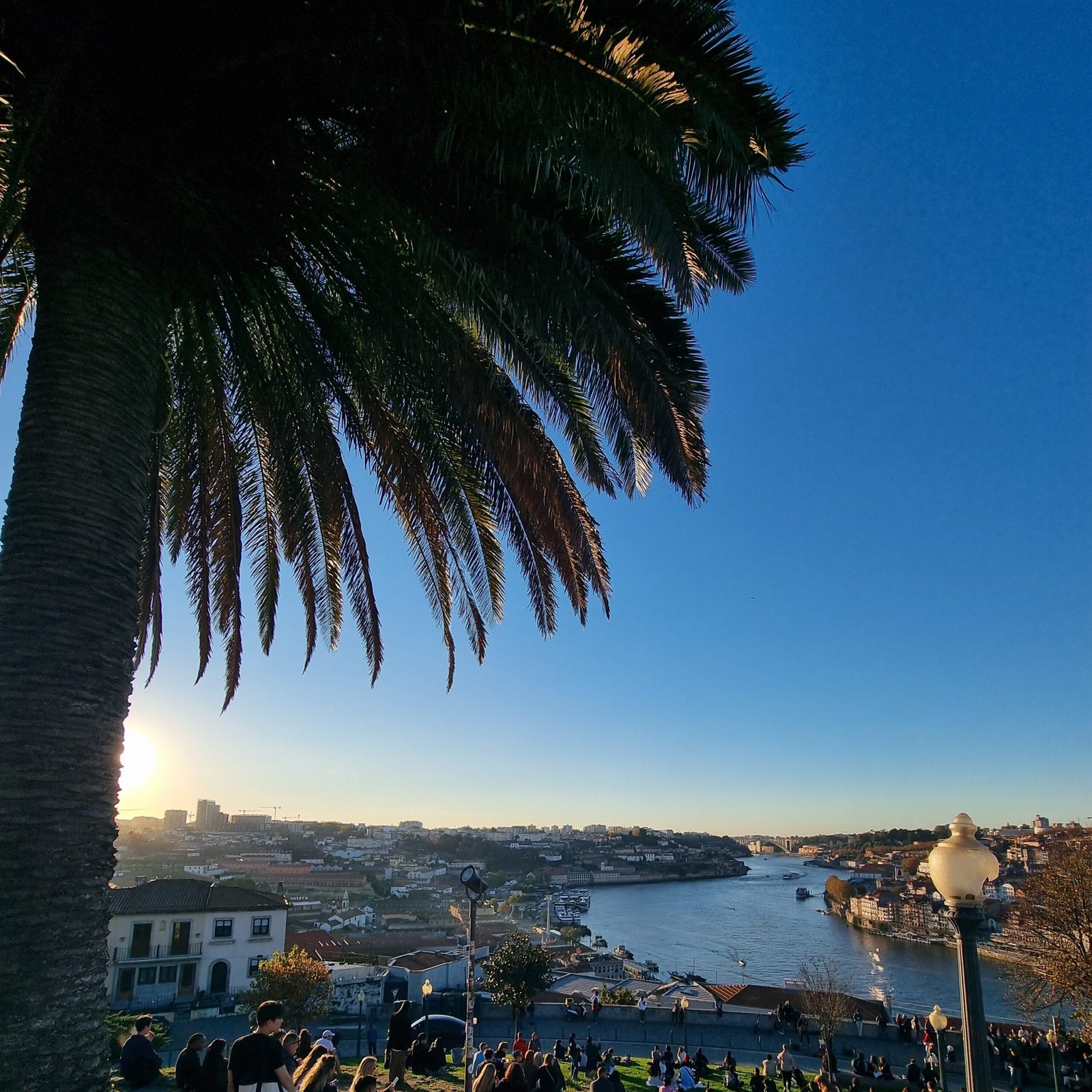
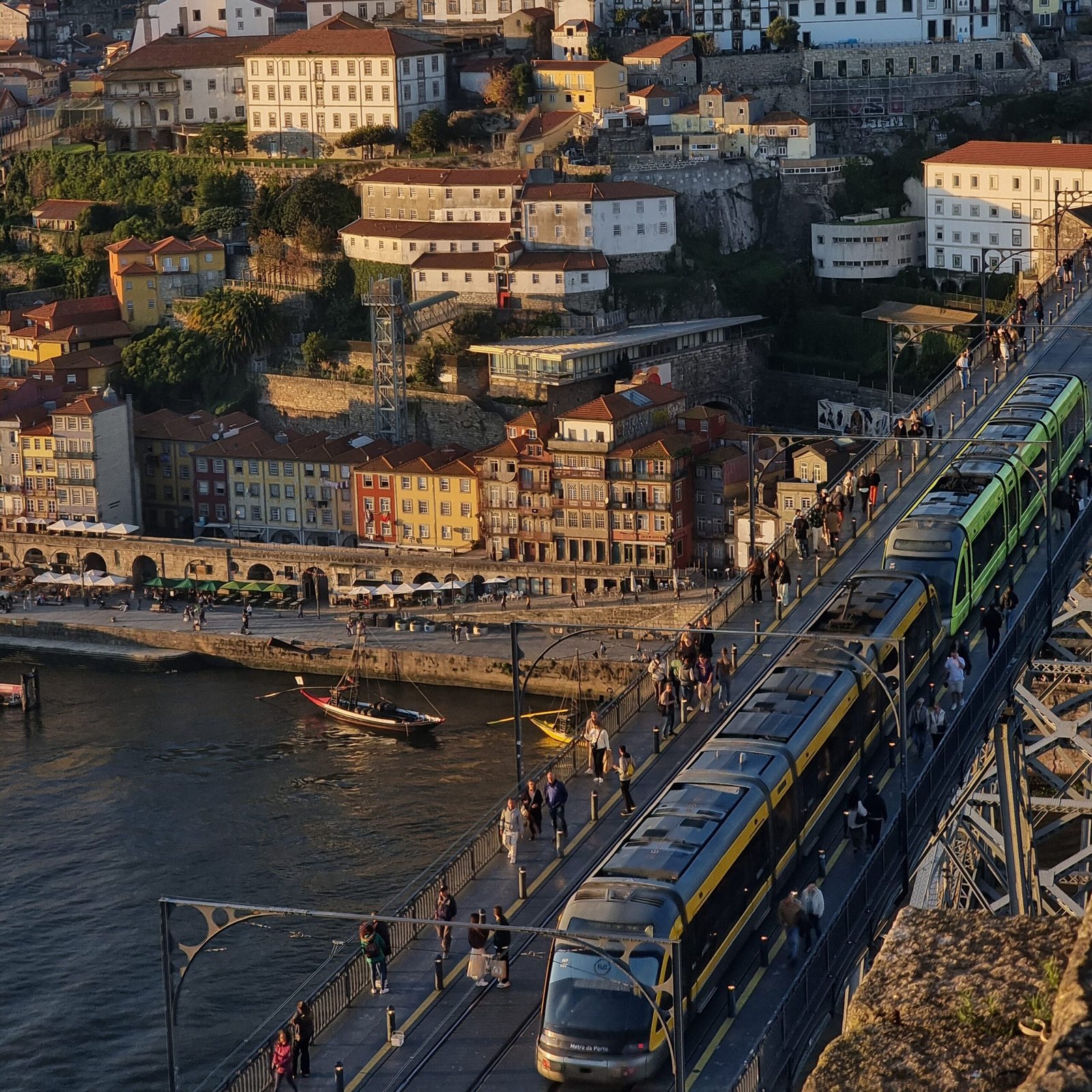
Just across the street, there is a spot that comfortably takes the silver medal for the best sunset in the city. You will have it on the map under Miradouro da Serra do Pilar. I highly recommend making time for it if you can, as the view it offers is truly spectacular — a sweeping panorama across Porto with the iconic Luís I Bridge taking center stage.
The Luís I Bridge is perhaps Porto’s most iconic landmark — a double-decked iron arch bridge stretching across the Douro River, connecting Porto to Vila Nova de Gaia. Completed in 1886 and designed by a pupil of Gustave Eiffel, it’s hard to believe this engineering marvel is nearly 140 years old. The upper deck is shared by the metro and pedestrians, rewarding those who make the crossing with sweeping panoramic views over the terracotta rooftops of the Ribeira and the famous port wine lodges lining the opposite bank.
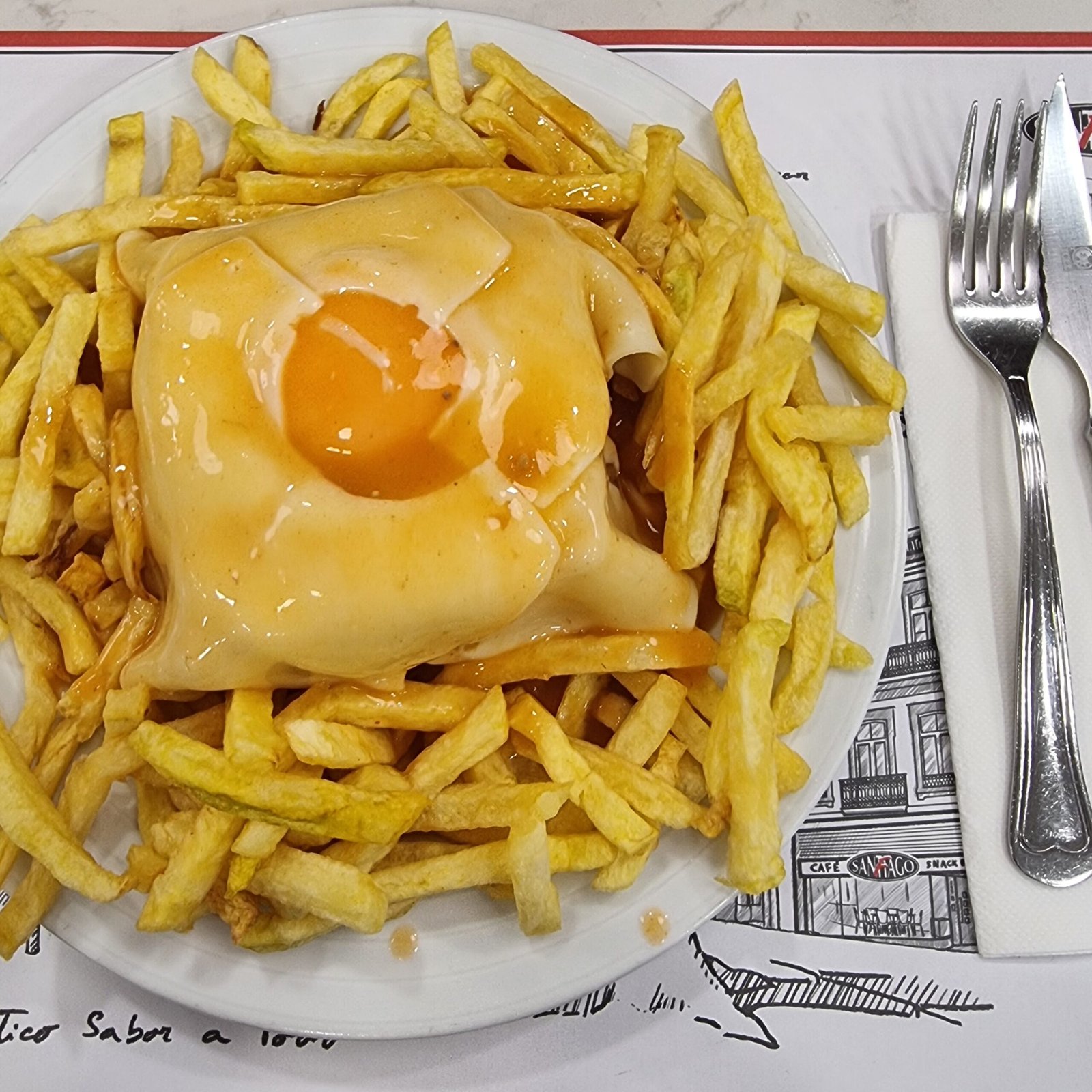
We cannot end the day without an authentic dish of Porto. No visit to Porto is complete without trying a Francesinha — the city’s gloriously indulgent signature dish. Layers of bread, cured meats, and melted cheese are smothered in a rich, spiced tomato and beer sauce, often served with a fried egg on top and a generous pile of fries on the side. It’s hearty, messy, and utterly addictive. Locals are fiercely proud of their own favourite spot to get one, so don’t be shy about asking for a recommendation!
I tired Café Santiago F located on R. de Passos Manuel 198. I rate this place at 5/5 – great food, service and vibe – a true local experience.
And there you have it — a lot to take in, I know! Porto may not be the capital, but it more than holds its own against Lisbon. A few days are enough to tick off the highlights, but I can almost guarantee you will find yourself wishing you had booked a longer stay. Whether the sun is shining over the Douro or the rain is giving the city that moody, cinematic feel it does so well, Porto has a way of getting under your skin. I already can’t wait to go back and uncover even more of it.
Some cities you visit. Porto is one you feel.